
New Encyclopedia Entry on Vocational Education and Training
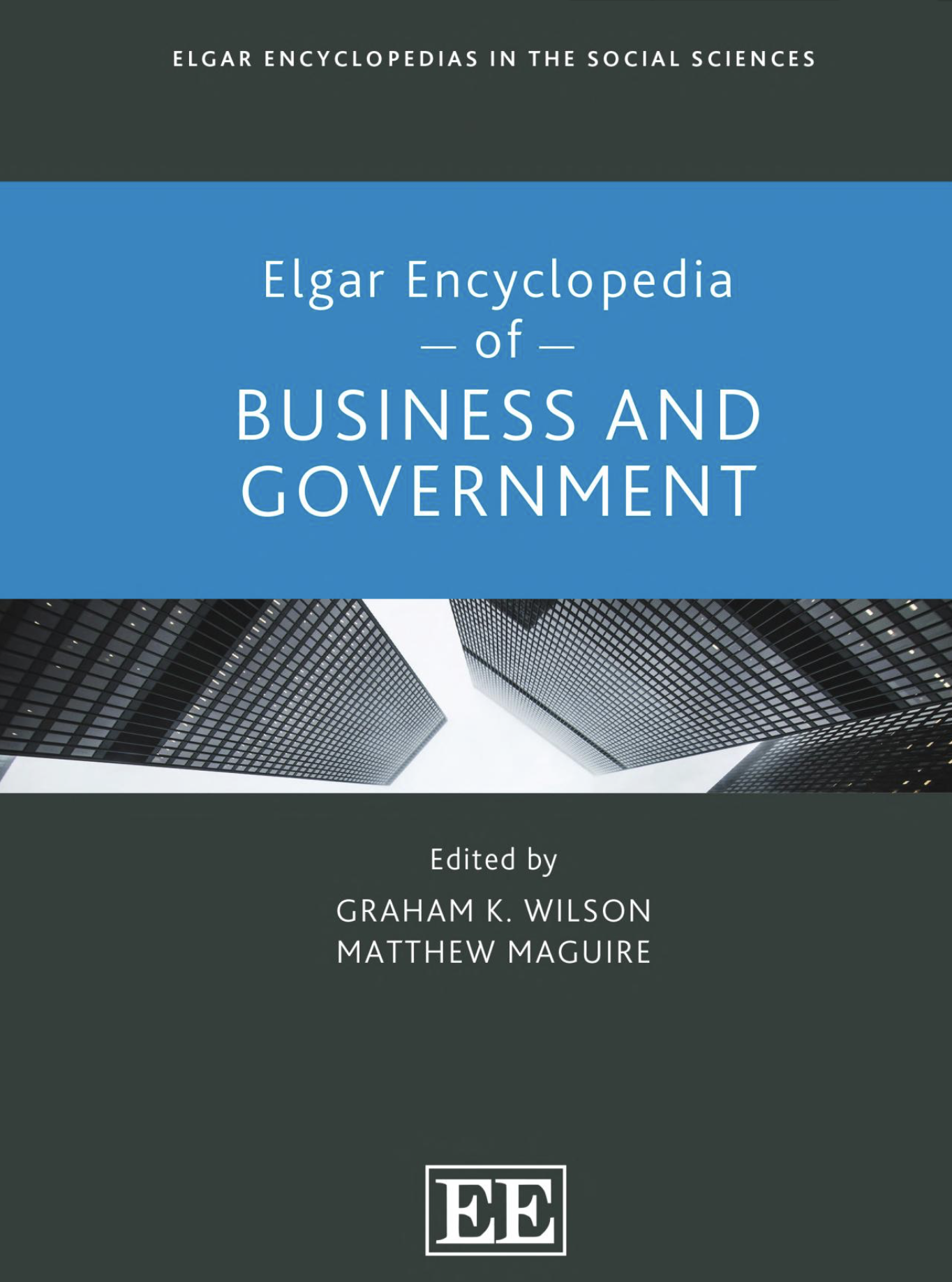
Dr Merve Sancak, Lecturer at Loughborough University London and IMEG member, has published a new chapter titled “Vocational Education and Training” in the Elgar Encyclopedia of Business and Government (Edward Elgar Publishing), a comprehensive reference work addressing key debates at the intersection of business, public policy, and political economy with regards to skills and inclusive development with contributions from the leading researchers.
The chapter provides a conceptual overview of vocational education and training (VET) and examines its role in shaping skills formation, labour markets, and economic development. It argues VET has been proposed an important institutional mechanism for supporting both continuous economic growth—by enabling the production of intermediate and technical skills—and inclusive growth, by improving labour market access for individuals from disadvantaged backgrounds.
The chapter situates the discussions on VET within comparative political economy and global political economy literature.
Regarding the comparative political economy literature, the chapter explains cross-national variation in VET systems through three interrelated dimensions. First, it analyses the role of national institutional complementarities, emphasising how VET systems interact with industrial relations, welfare regimes, business associations, and state capacity. Second, it examines the political dynamics of skill formation, focusing on the competing interests and power relations among firms, workers, and the state in shaping VET policies and outcomes.
Additionally, the chapter adopts a global political economy perspective to show how globalisation, multinational corporations, and global value chains influence national skill demands and institutional choices.
By integrating insights from the varieties of capitalism literature, the comparative political economy of skill formation, and global political economy of global value chain governance, the chapter offers a framework for understanding why some countries develop extensive and effective VET systems while others face persistent challenges. It also highlights how countries’ positions within the global economy shape both the incentives for investing in vocational skills and the structure of training systems.
The chapter contributes to ongoing academic debates on skills, employment, and economic development, and is intended as a reference for scholars, students, and policymakers working on education and training systems.
The Elgar Encyclopedia of Business and Government is published by Edward Elgar Publishing.
